Exploring Educational Trips for Students in India: Enriching Learning Beyond the Classroom
- Get link
- X
- Other Apps
Introduction
In today's educational landscape, traditional classroom learning is no longer the only means of acquiring knowledge. Educational trips have gained immense popularity as they provide students with practical learning experiences beyond the confines of their textbooks. India, with its rich history, diverse culture, and natural beauty, offers an abundance of opportunities for educational trips.
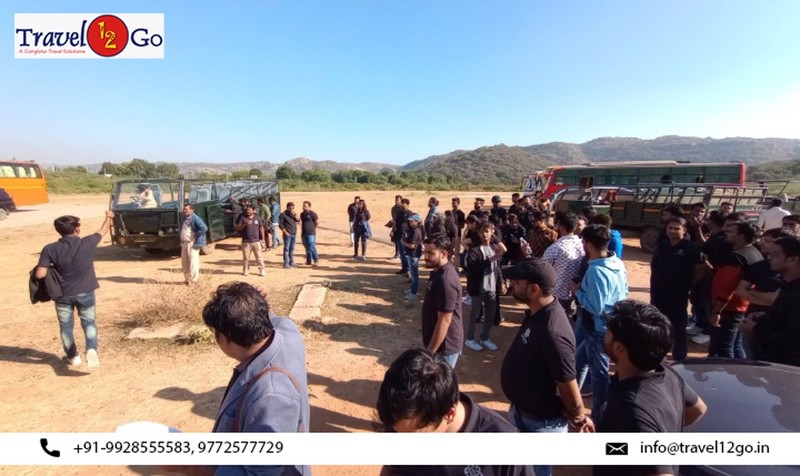
Importance of Educational Trips
Educational trips play a crucial role in a student's overall development. They provide a platform for hands-on learning, foster creativity, and enhance critical thinking skills. These trips help students understand real-life applications of theoretical concepts and expose them to different cultures, traditions, and environments.
Types of Educational Trips
A. Field Trips
Field trips involve visits to specific locations related to the subject being taught. For example, a trip to a science museum or a botanical garden can deepen a student's understanding of scientific concepts and environmental studies.
B. Cultural Trips
Cultural trips aim to expose students to the vibrant cultural heritage of India. Visiting historical monuments, attending traditional festivals, and interacting with local communities provide insights into the country's diverse traditions and values.
C. Adventure Trips
Adventure trips combine recreational activities with learning opportunities. Students can participate in activities like trekking, camping, and wildlife safaris, which not only foster team building and leadership skills but also offer practical knowledge about wildlife and environmental conservation.
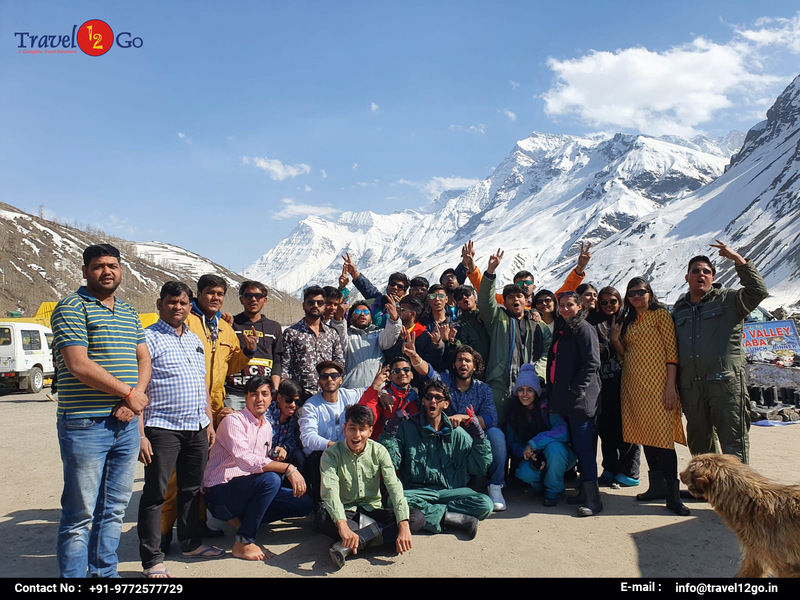
Benefits of Educational Trips
A. Enhancing Learning Experience
Educational trips provide a dynamic learning environment outside the classroom, making education more engaging and interactive. Students can witness and experience the practical application of concepts, leading to better retention and comprehension.
B. Practical Application of Knowledge
Trips offer students a chance to apply theoretical knowledge in real-life situations. For instance, a visit to a science laboratory allows them to conduct experiments and observe phenomena firsthand, bridging the gap between theory and practice.
C. Exposing to Different Cultures
India's diverse culture provides a unique opportunity for students to immerse themselves in different traditions, languages, and ways of life. Interacting with people from various backgrounds broadens their horizons and fosters a sense of tolerance and acceptance.
D. Personal Growth and Development
Educational trips promote personal growth and development in students. They encourage independence, resilience, and adaptability as students navigate unfamiliar environments and face new challenges. These experiences help build confidence, self-esteem, and interpersonal skills.
Popular Educational Trip Destinations in India
India offers a myriad of destinations that are ideal for educational trips. Some of the popular choices include:
A. Historical Sites
India is home to numerous historical sites that provide a glimpse into the country's rich past. Places like the Taj Mahal, Red Fort, and Jaipur's palaces offer students a chance to delve into architectural marvels, historical events, and the cultural significance behind these structures.
B. Science and Technology Centers
Cities like Bangalore and Hyderabad boast world-class science and technology centers that cater to the curious minds of students. Institutions like the Indian Space Research Organisation (ISRO) and science museums provide interactive exhibits, workshops, and demonstrations, enabling students to explore the marvels of science and technology.
C. Wildlife Sanctuaries
India's diverse ecosystem supports a wide array of flora and fauna. Educational trips to wildlife sanctuaries such as Jim Corbett National Park, Kaziranga National Park, and Periyar Wildlife Sanctuary offer students the opportunity to understand biodiversity, conservation efforts, and the delicate balance of nature.
D. Art and Cultural Centers
Cities like Kolkata, Chennai, and Varanasi are known for their vibrant art and cultural heritage. Students can visit art galleries, attend traditional music and dance performances, and interact with local artisans, thereby gaining a deeper appreciation for India's artistic traditions.
Planning an Educational Trip
Planning an educational trip requires careful consideration and organization. Here are some essential steps:
A. Setting Objectives and Goals
Clearly define the objectives and learning outcomes you want to achieve through the trip. Identify the specific subjects or topics that the trip will cover and outline the skills and knowledge you want students to gain.
B. Budgeting and Financing
Determine a realistic budget for the trip and explore financing options such as sponsorships, fundraising activities, or seeking support from educational institutions or parents. Consider all expenses, including transportation, accommodation, meals, entry fees, and any additional educational activities.
C. Choosing the Right Destination
Select a destination that aligns with the educational objectives of the trip. Consider factors such as relevance to the curriculum, availability of educational resources, safety, and accessibility.
D. Organizing Accommodation and Transportation
Make arrangements for suitable accommodation that can accommodate the group size and ensure comfort and safety. Plan transportation logistics, whether it's by bus, train, or air, and consider factors like travel time, distance, and convenience.
Visit Us : educational trips for students in india
- Get link
- X
- Other Apps


Comments
Post a Comment